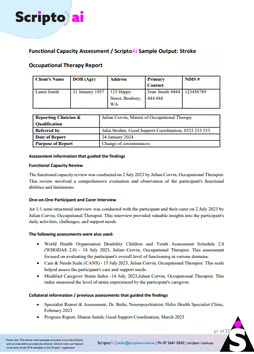

The National Disability Insurance Scheme (NDIS) was created to provide disability-related support for Australians with disabilities, and intended to provide personalised services enabling participants in the scheme to lead fulfilling and independent lives. A pivotal component in determining the level of support required is the Functional Capacity Assessment (FCA). These reports are crucial in the NDIS process, evaluating an individual’s functional capacity to determine the appropriate type and amount of support they are eligible for.
In this article, we explore what NDIS Functional Capacity Assessments are, how they function, and their significance for both NDIS consumers and service providers.
What is a Functional Capacity Assessment (FCA)?
A Functional Capacity Assessment (FCA) is an evaluation used by the NDIS to measure a person’s ability to perform everyday tasks. It assesses how a disability impacts their capacity to complete daily activities independently, such as self-care, mobility, communication, social interaction, and decision-making. The FCA provides a comprehensive view of a participant’s strengths and challenges, offering insights into the supports necessary for meaningful engagement in community, work, and personal activities.
FCA reports are typically prepared by qualified healthcare professionals, such as occupational therapists and social workers, who assess the participant’s functional abilities through structured interviews, observations, and assessments.
Key components of an NDIS FCA reportAn NDIS Functional Capacity Assessment report includes several key sections:
- Personal background information This section provides context for the functional capacity evaluation by outlining basic information about the participant, such as their disability diagnosis, medical history, and personal circumstances.
- Areas of functioning The assessment evaluates the individual’s capacity in several key domains, ideally aligned with the International Classification of Functioning, Disability and Health (ICF) framework:
- Self-care and daily living: Managing personal hygiene, dressing, meal preparation, and household tasks.
- Mobility: Movement within home and community, requiring assistance with walking, transfers, or public transport.
- Communication: Expressing oneself, comprehending language, and engaging in conversations.
- Social interaction: Interacting with others, including friends, family, or colleagues.
- Cognitive and decision-making skills: Making decisions and solving problems independently.
- Psychological and emotional functioning: Impact of disability on emotional well-being and mental health.
- Supports and interventions This section identifies current supports, including informal care and formal services, and recommends additional services or interventions to enhance independence and quality of life.
- Functional capacity rating The report provides a functional capacity rating for each life area, reflecting the individual’s level of independence or reliance on others.
- Recommendations for NDIS support Recommendations for specific NDIS support are based on the person’s needs, aiming to outline services that will best support their functional independence.
The Role of AI in FCAs
Incorporating AI into the FCA process, applications like Scripto enhance the quality and compliance of reporting. AI assists therapists by automating portions of the report, reducing errors, and allowing therapists to focus on outcomes rather than administrative tasks. This technology is crucial in improving working conditions for therapists who often face time constraints, burnout, and high KPI demands. By advocating for AI use, we can transform the working environment for clinicians, enabling them to deliver better care.
Why is the FCA report important for NDIS consumers?The FCA report is critical for NDIS participants as it directly impacts the type and level of support they receive. Here’s why it matters:
- Determining NDIS eligibility The FCA report can provide evidence for the NDIS to determine eligibility for funding and services, assessing functional limitations and support needs.
- Individualised support plans The NDIS uses the FCA report to tailor support plans to each person’s unique needs and goals, ensuring they receive appropriate services to improve independence and well-being.
- Accurate and fair assessments The FCA report is an objective assessment of functional capacity, ensuring accurate representation of needs and fair allocation of resources.
- Improved outcomes By identifying strengths and challenges, the FCA report guides the development of effective support plans, leading to better outcomes for participants.
Who can complete an FCA for NDIS?
FCA reports must be completed by qualified professionals with expertise in assessing functional capacity, including:
- Occupational Therapists: Often conduct FCAs, particularly for evaluating daily task performance.
- Psychologists: Conduct FCAs for cognitive function, emotional well-being, or behavioral challenges.
- Social Workers: Conduct FCAs, focusing on the social and environmental factors affecting functional capacity.
Conclusion:
Empowering NDIS Participants through FCA reportsFunctional Capacity Assessments (FCAs) are vital for understanding how a disability impacts daily life participation. These assessments ensure NDIS participants receive appropriate support to lead independent, fulfilling lives. By providing a clear picture of abilities and challenges, FCA reports help create personalised support plans that empower individuals to achieve their goals.For further insights into the ICF framework, refer to the diagram below:
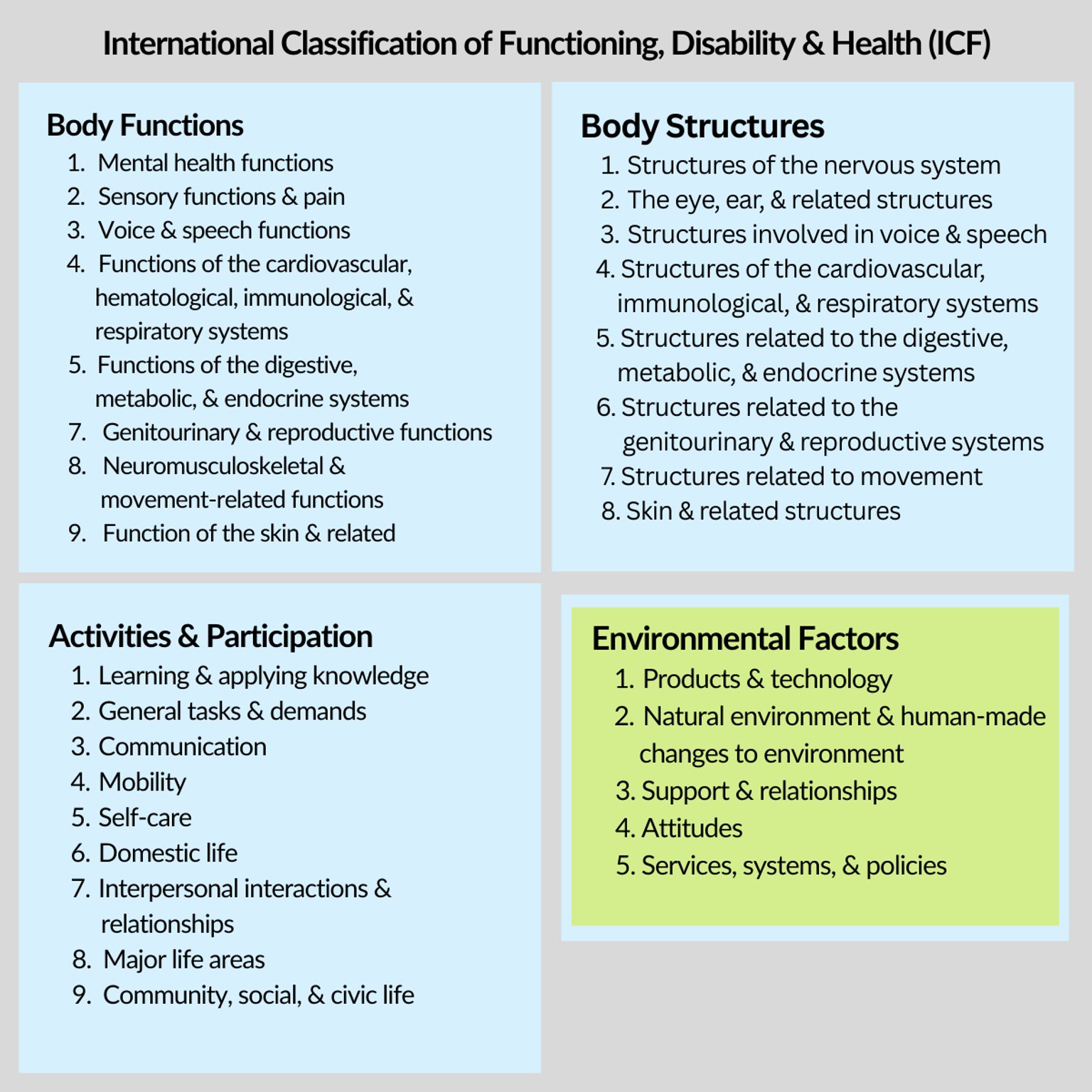
Footnote: Ontological modelling of the International Classification of Functioning, Disabilities and Health (ICF): Activities & Participation and Environmental Factors components – Scientific Figure on ResearchGate. Available from: https://www.researchgate.net/figure/Overall-ICF-structure-components-and-domains-chapters_fig1_357410654[accessed 17 Mar 2025]If you are preparing for an NDIS assessment or need assistance with the process, seek professional advice to ensure your FCA report reflects your true functional capacity and you receive the necessary assistance to thrive.


